Pregnancy care is a continuum of risk assessment, surveillance and timely interv...See More
Oct 10, 2026

Providing personalized gynecology, obstetrics, fertility, pregnancy, and preventive healthcare with advanced medical expertise to support every woman's health journey.

Compassionate, evidence-based fertility care with advanced diagnostics, ovulation support, fertility preservation, and personalized treatment plans to help you achieve parenthood

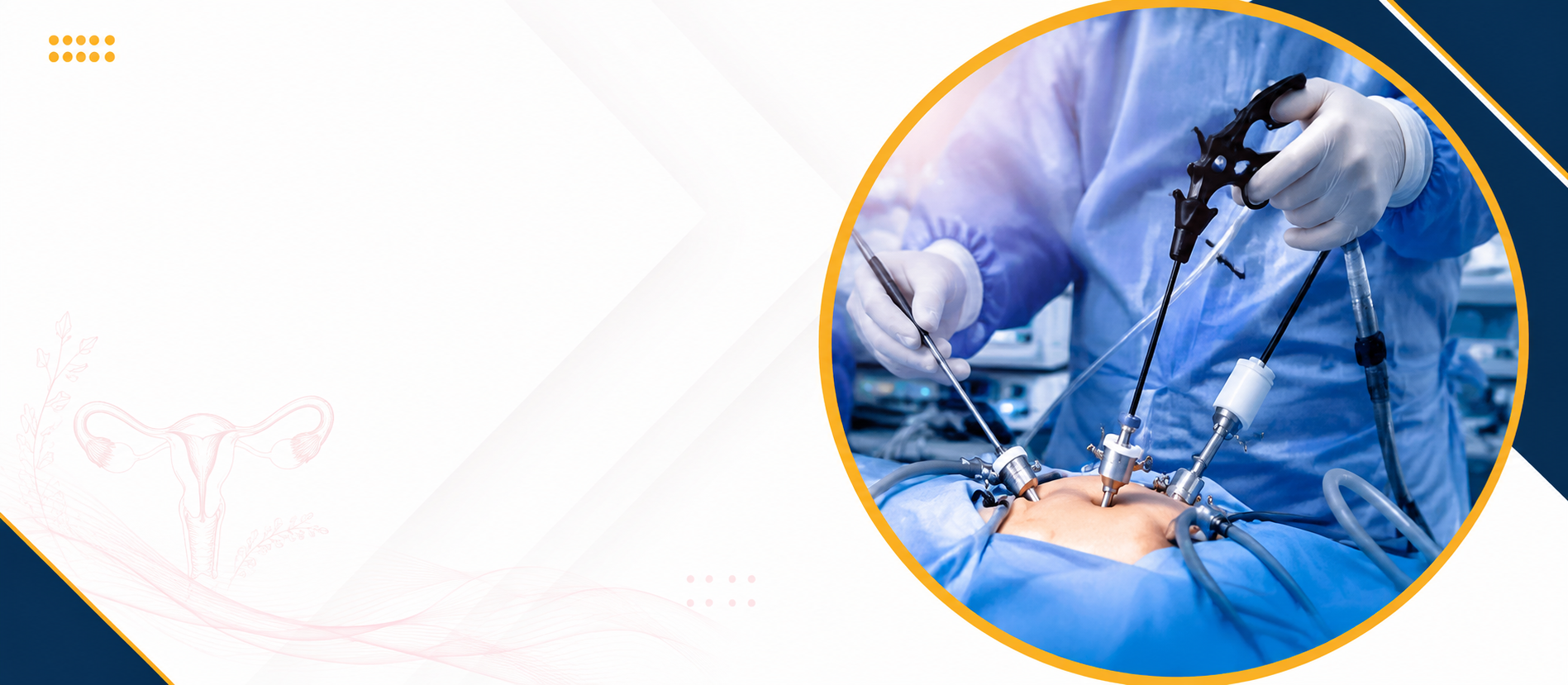
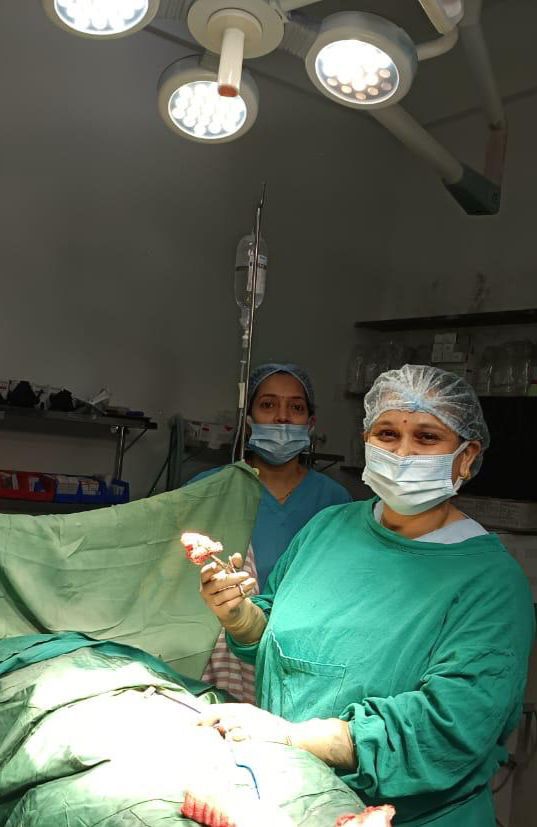
Safe, precise procedures for quicker recovery and better outcomes.
.jpg)
.jpg)
.jpg)
.jpg)

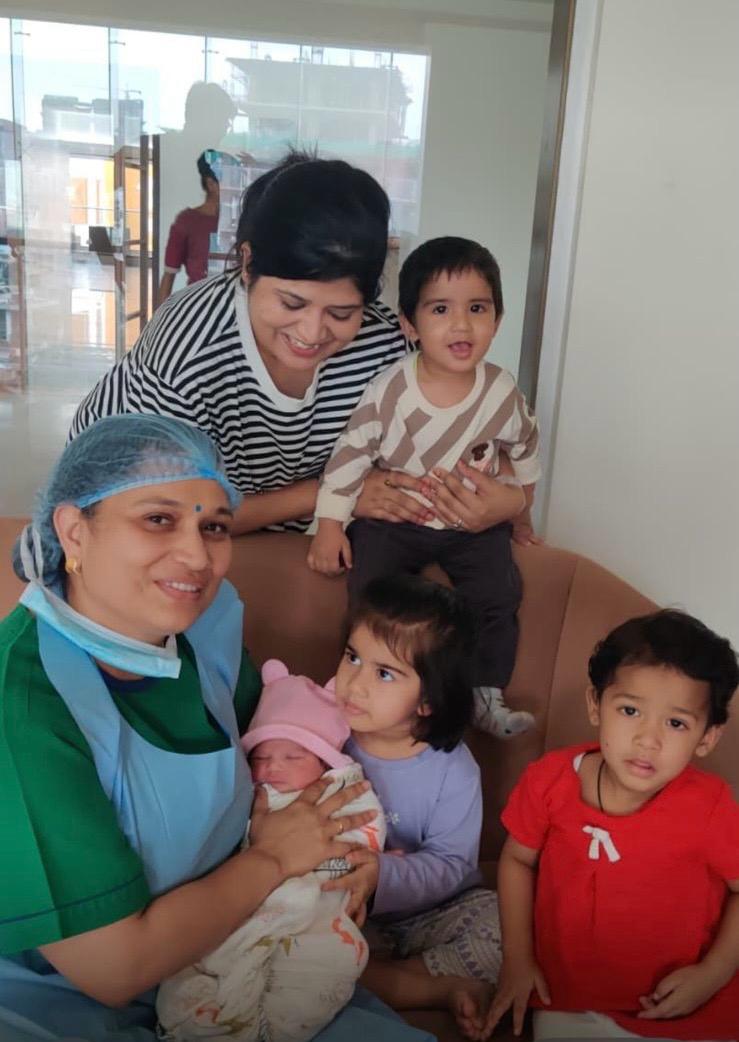
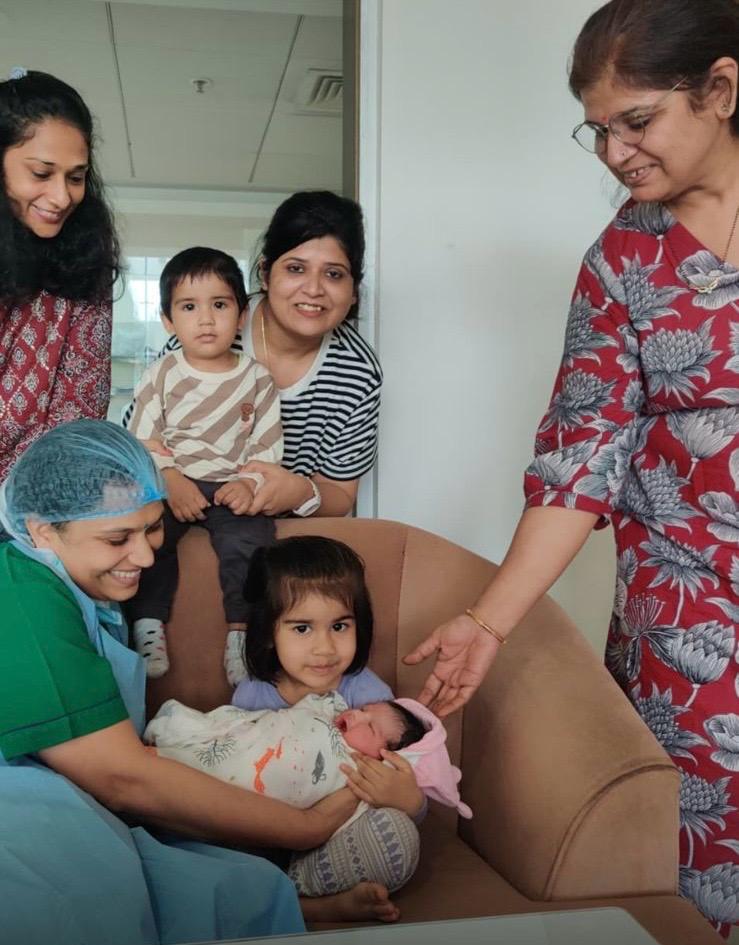
She is experienced and well deserved surgeon. In our case the surgery was smooth and the hospital staff was very cooperative and supported in all aspects.
About Us
Years of Experience
Laparoscopic Surgeries Performed
Happy Patients




Advanced treatments tailored for every stage of womanhood










Stay informed with our latest updates, posts, announcements, and healthcare news
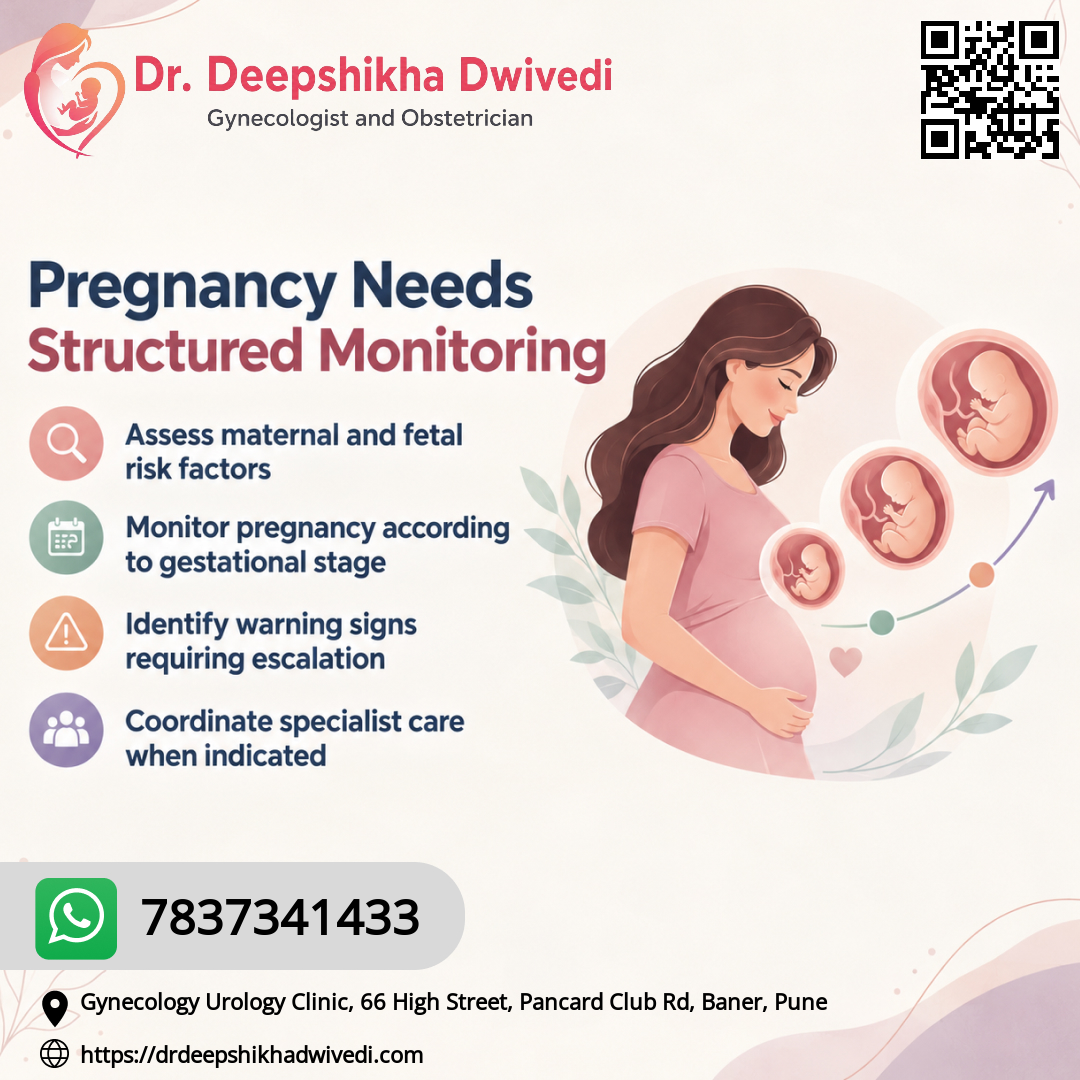
Pregnancy care is a continuum of risk assessment, surveillance and timely interv...See More
Oct 10, 2026

🚨 High-Risk Obstetrics series Pemphigoid Gestationis (PG) Severe, intensely i...See More
Oct 03, 2026
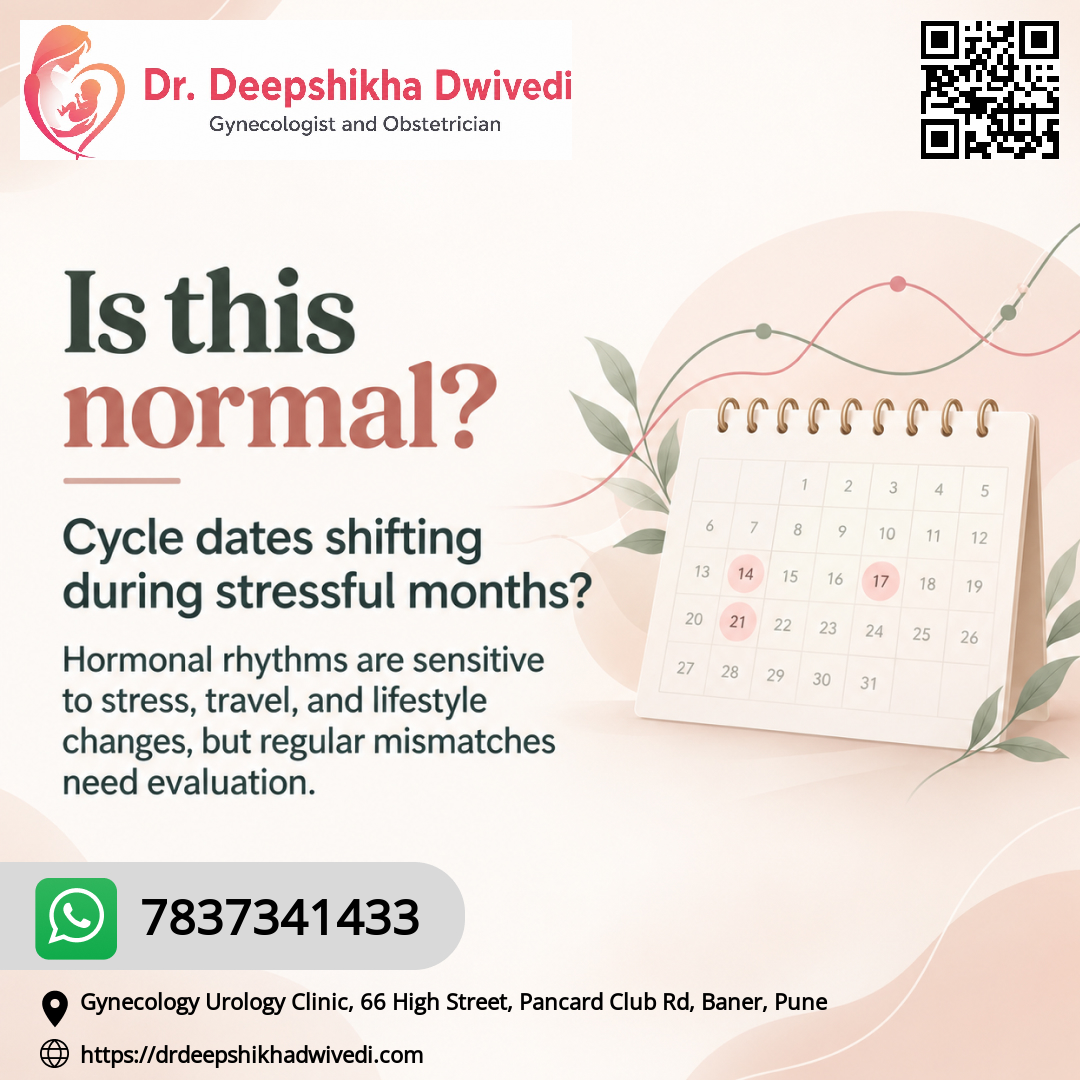
Monthly cycles can respond quietly to stress and routine changes. Noticing repea...See More
Oct 03, 2026
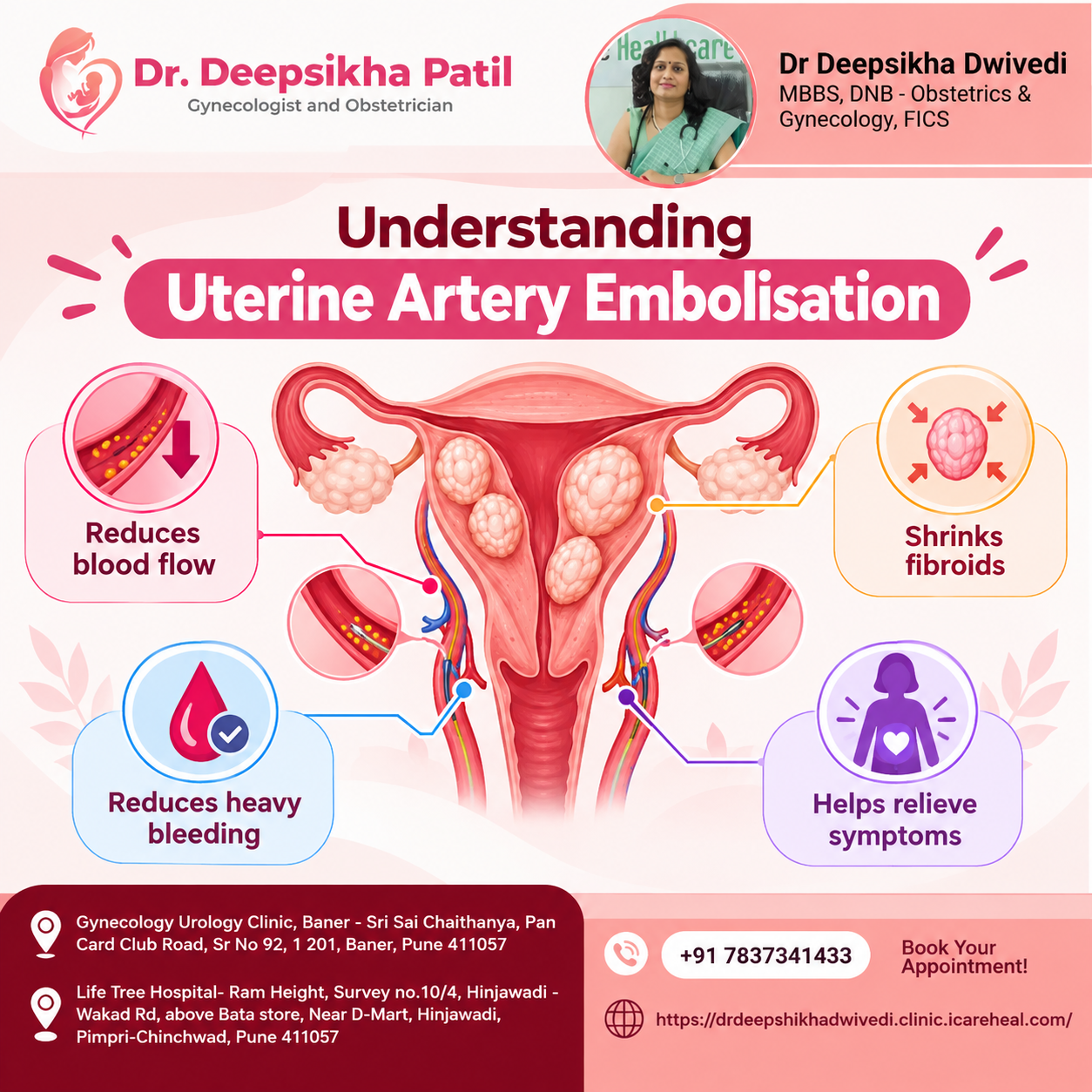
Uterine Artery Embolisation can help reduce fibroid size and symptoms such as he...See More
Sep 29, 2026
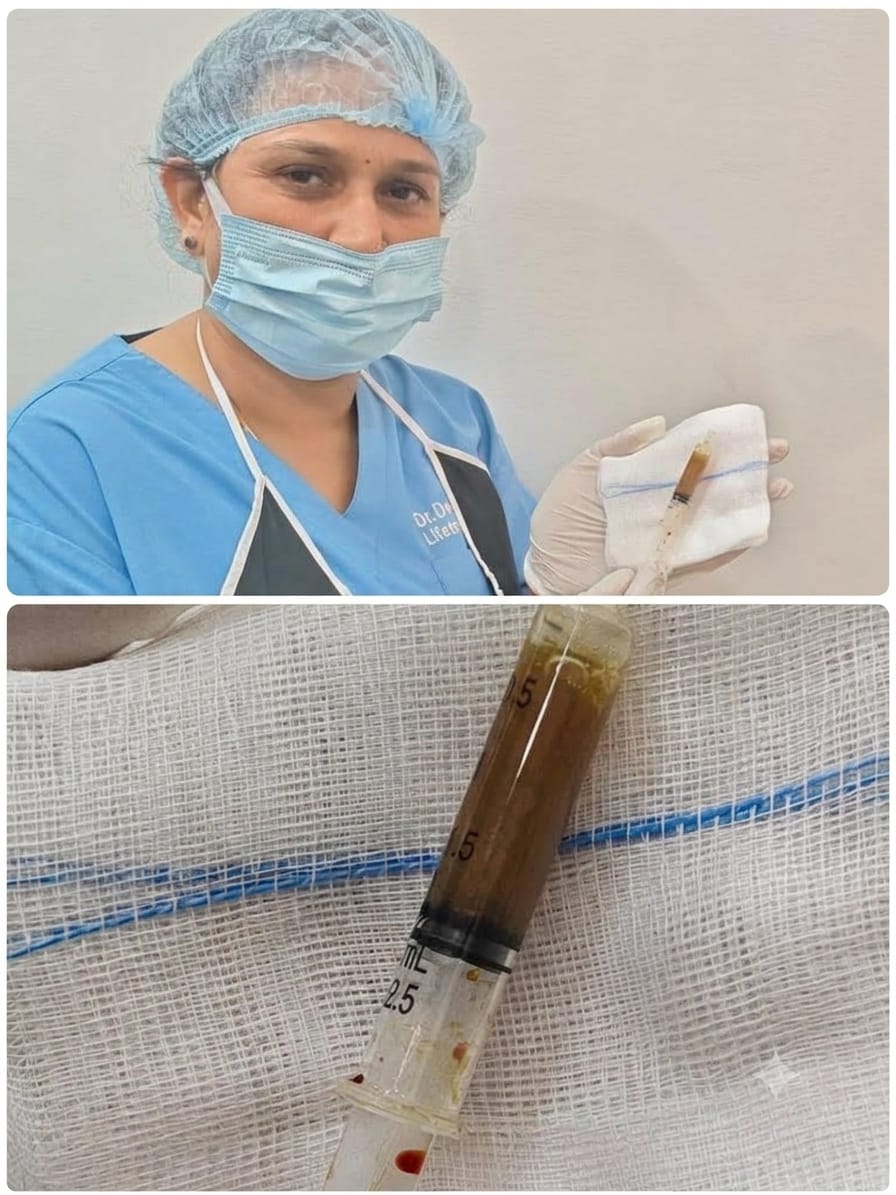
Green Amniotic Fluid? Here’s What You Need to Know 👶🩺 Amniotic fluid is usuall...See More
Sep 26, 2026
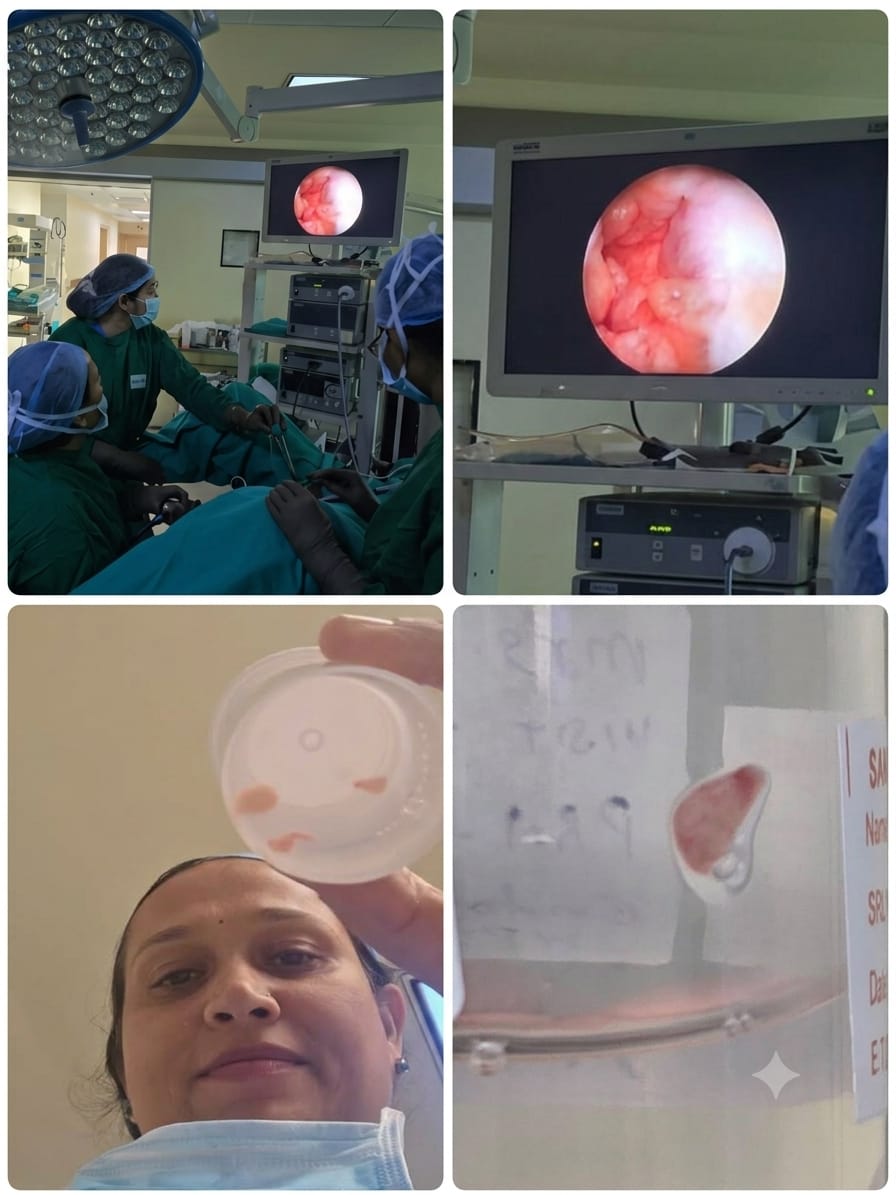
Endometrial polyp Optimize Your Lining: Why Treating an Endometrial Polyp Boosts...See More
Sep 26, 2026
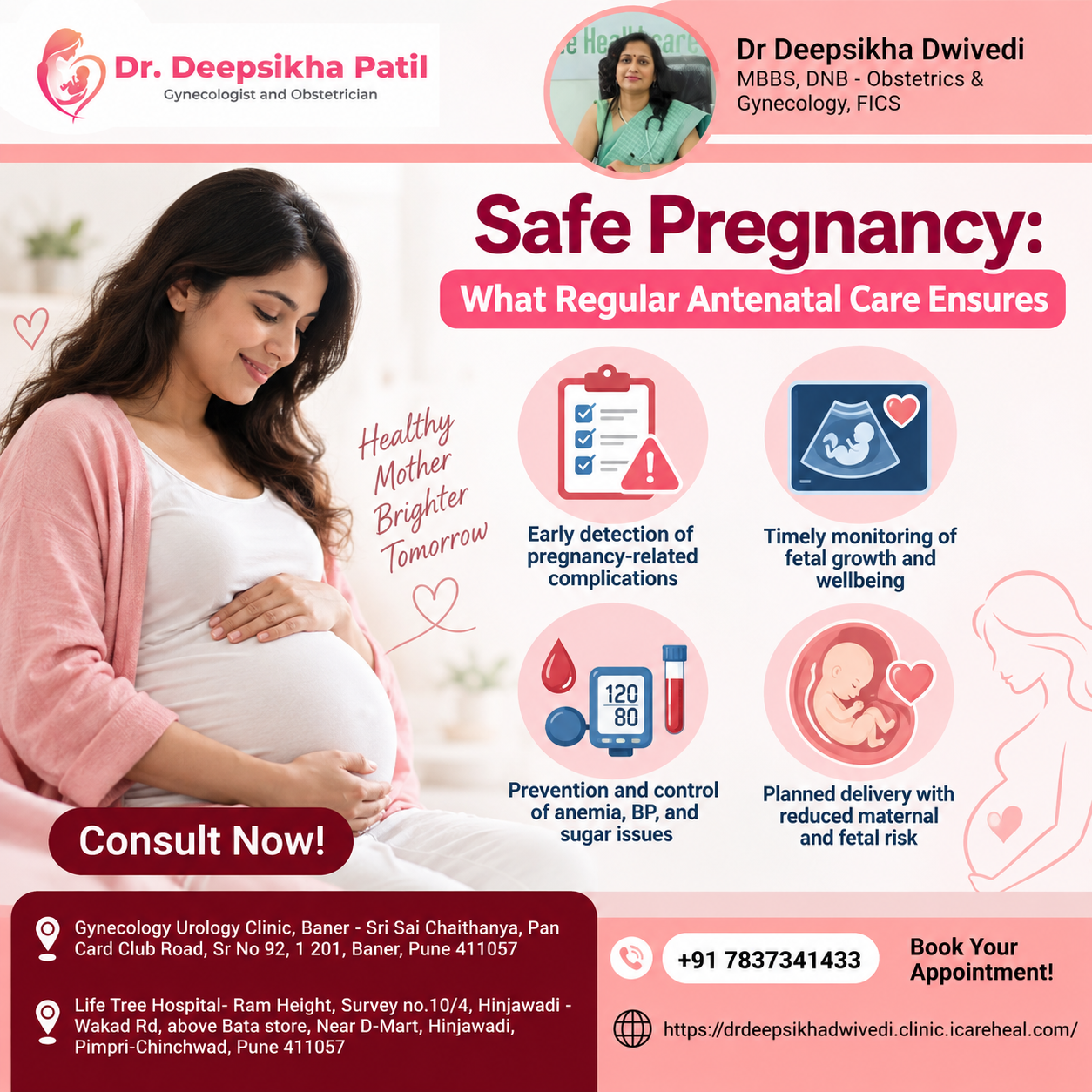
Regular antenatal care helps detect risks early and supports a safer pregnancy j...See More
Sep 15, 2026
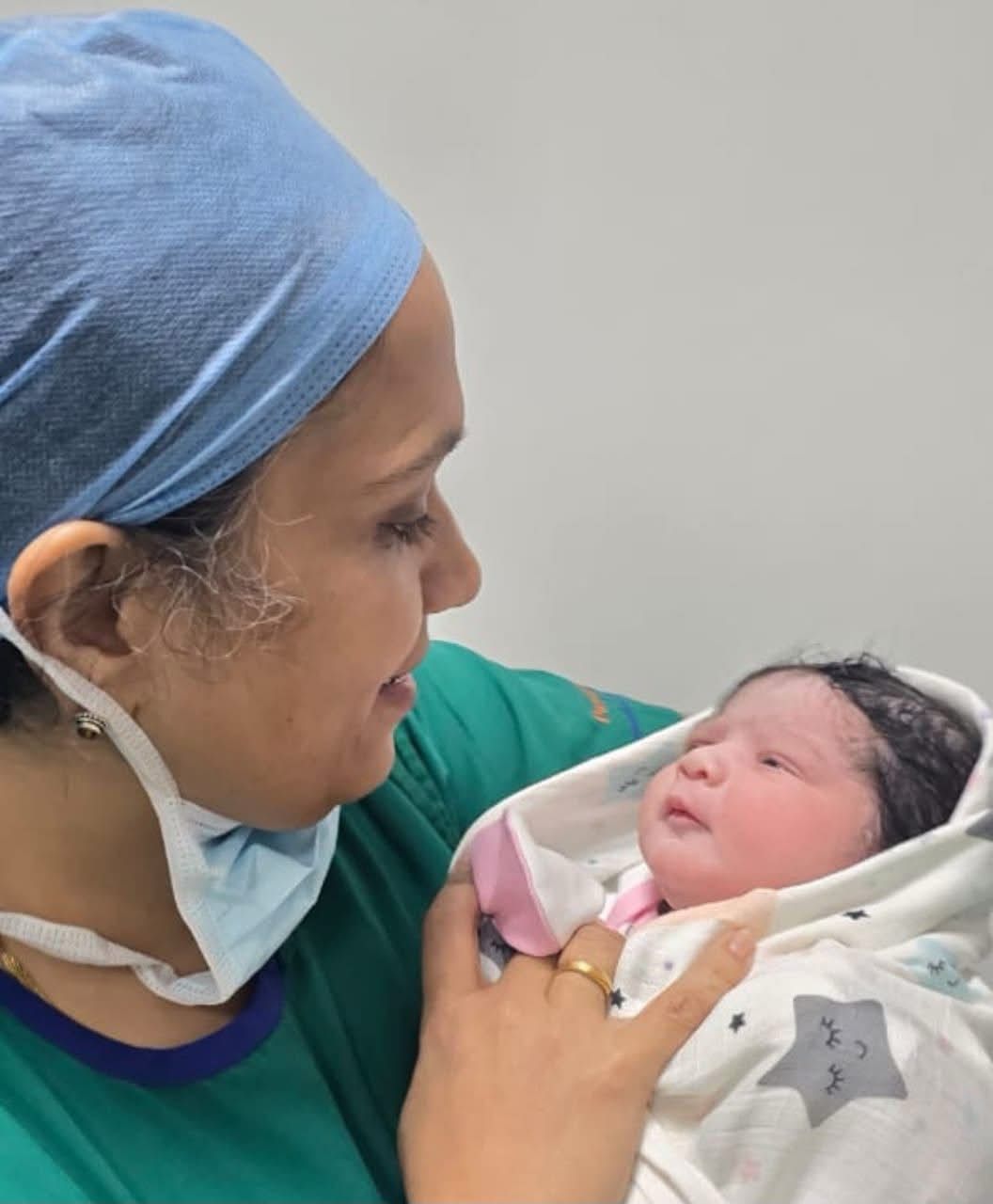
The Ultimate Vow of Protection Begins at Birth 👶✨🪢 Rakshabandhan celebrates R...See More
Aug 28, 2026
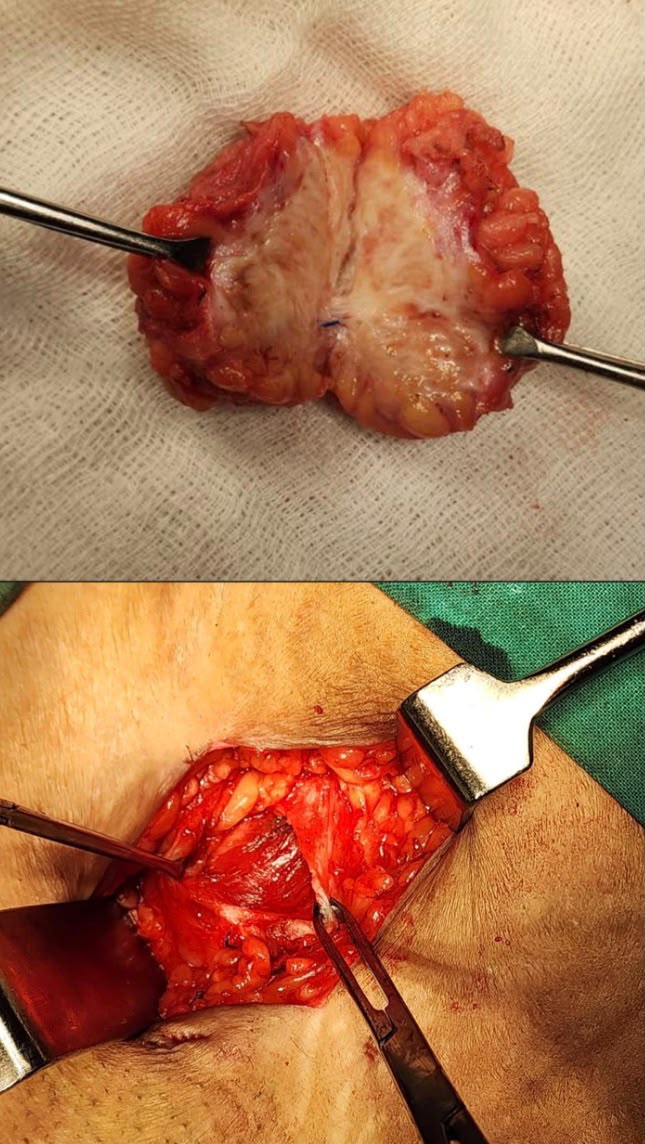
Scar endometrioma is a rare condition where endometrial tissue develops in a pre...See More
Jul 10, 2026

Knowledge is power, and today St. Joseph High School, Pune was filled with it! �...See More
Aug 05, 2026
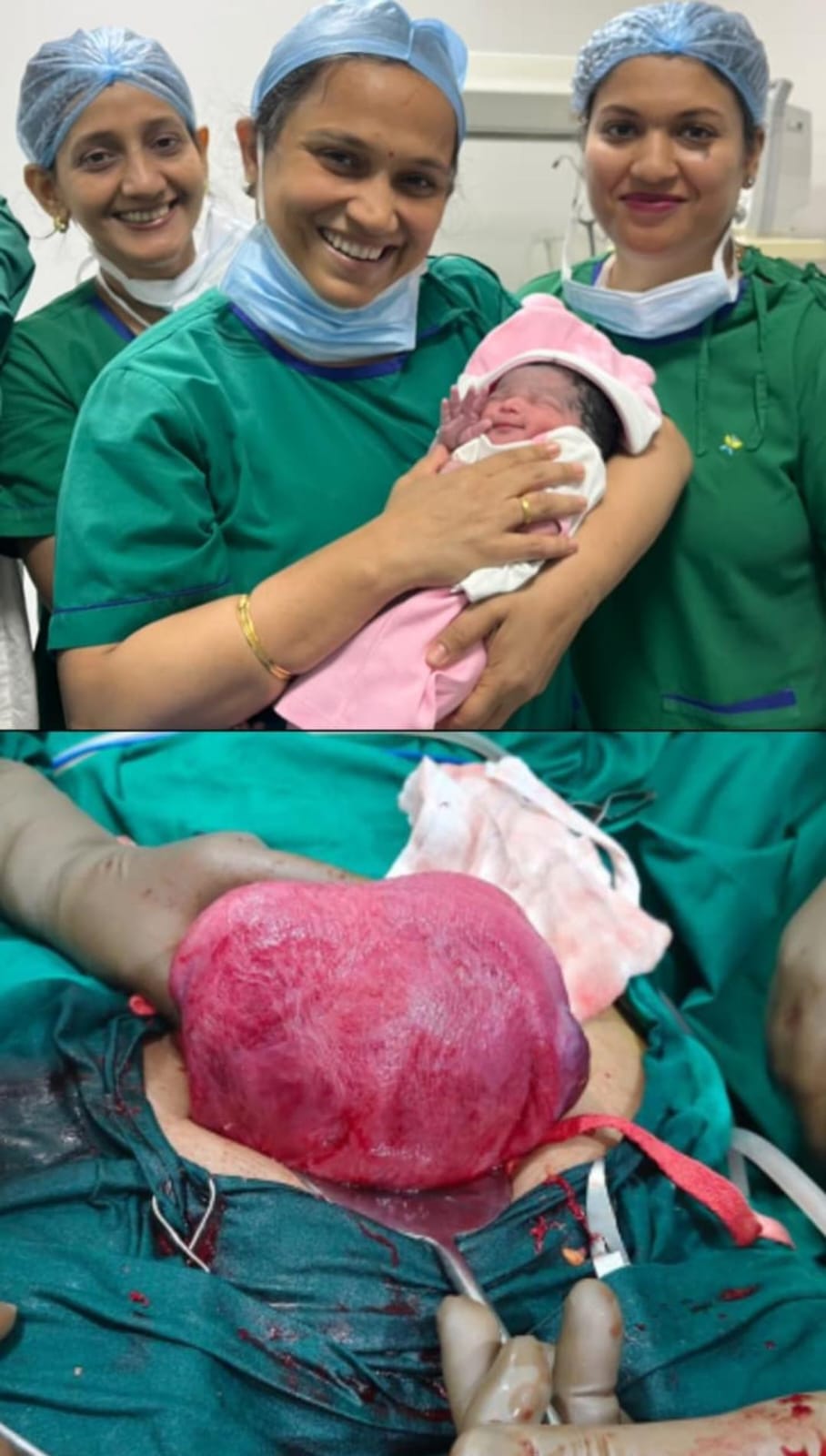
A Journey of Hope 🌟 A 29-year-old patient, after two miscarriages, faced a sep...See More
Jul 30, 2026
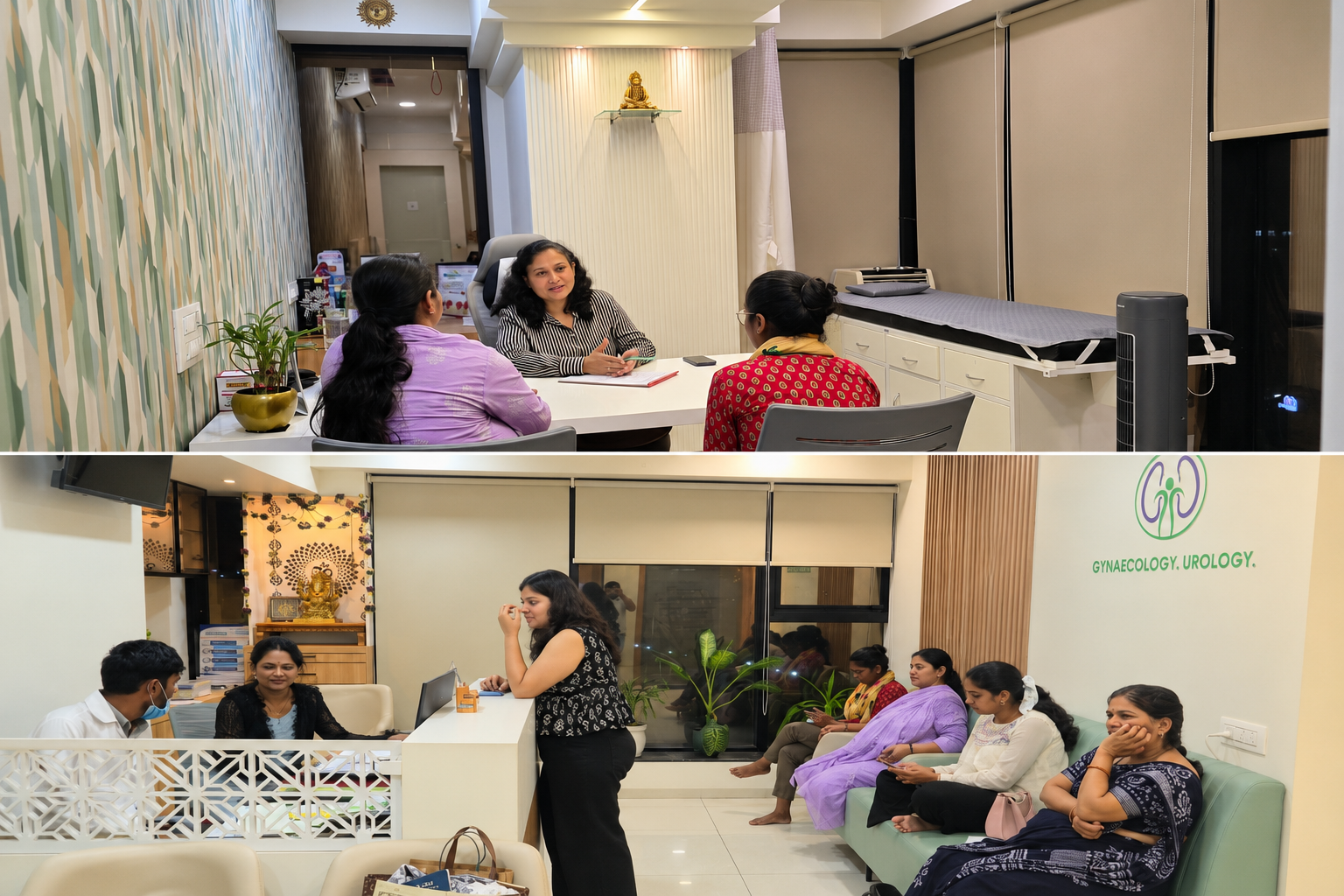
Irregular periods are not something to ignore. They can be a sign of an underlyi...See More
Jul 23, 2026
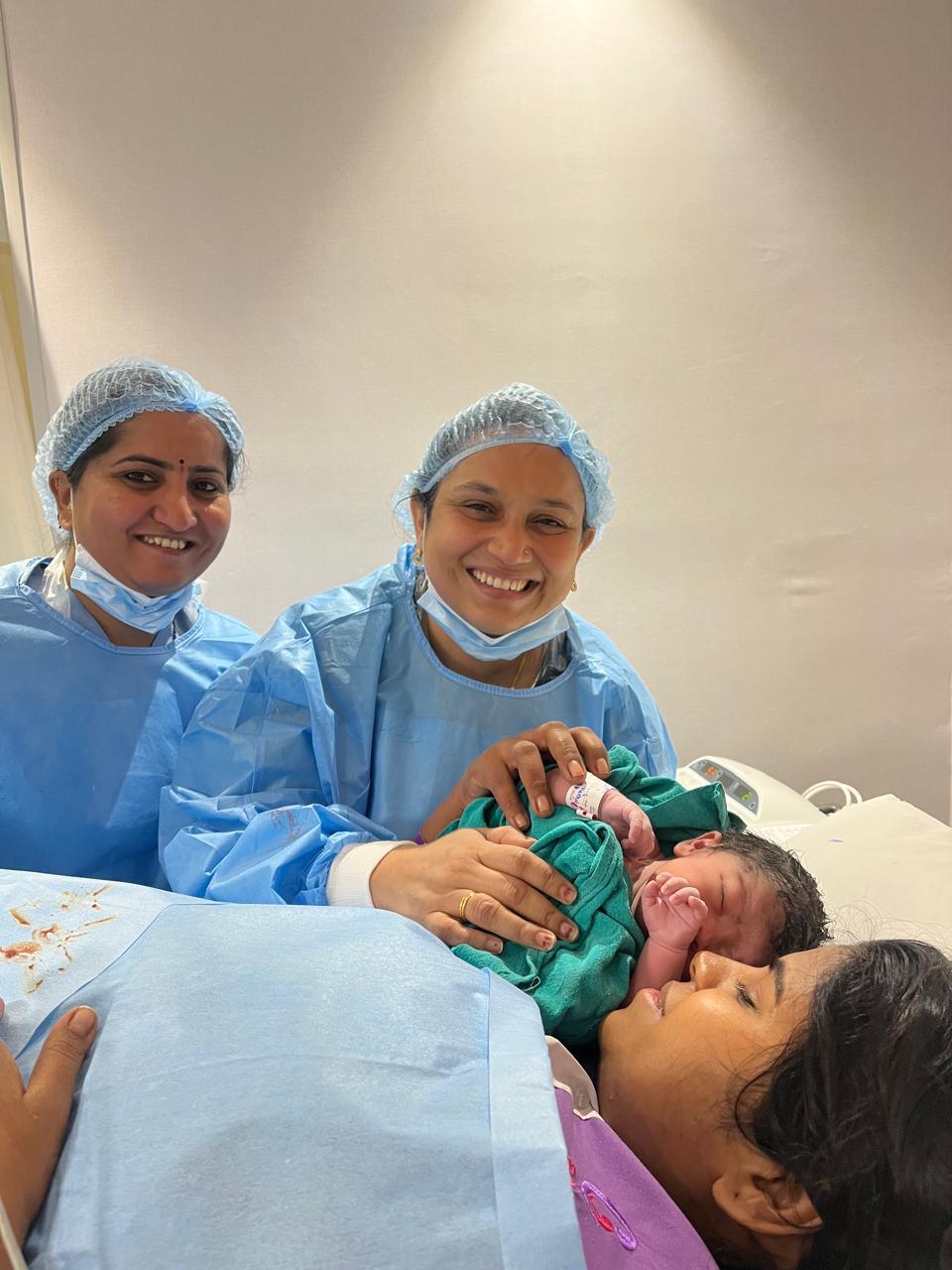
The patient had a normal vaginal delivery. She was initially very tense about th...See More
Nov 18, 2025
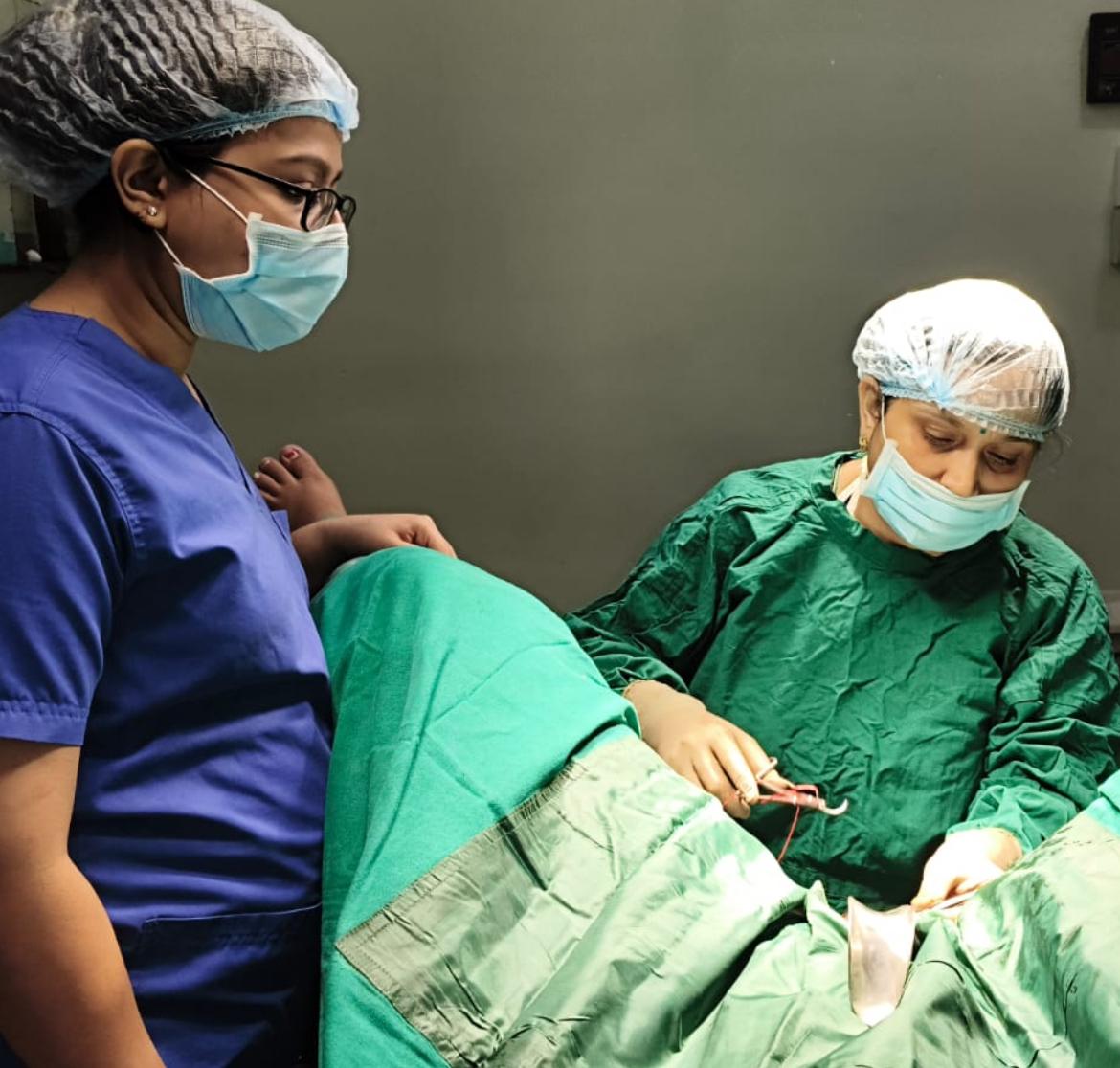
At our facility, we prioritize the safety and comfort of both mother and baby, e...See More
Nov 25, 2025
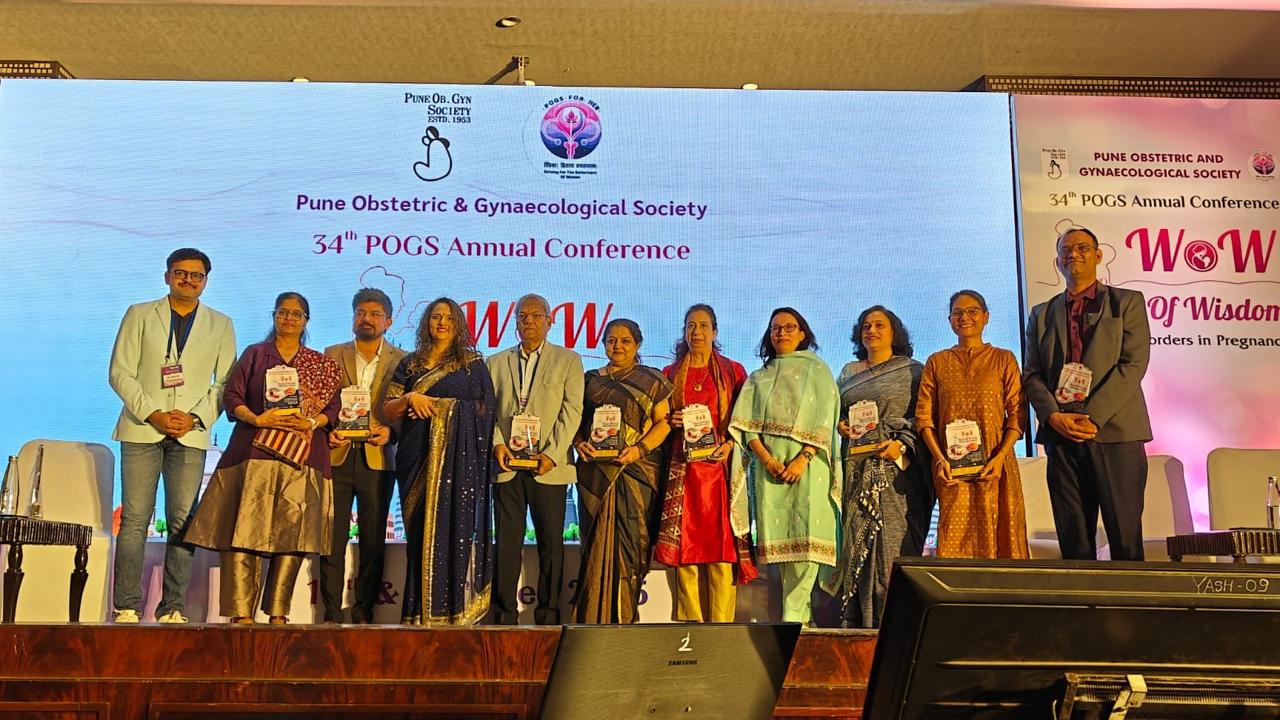
That's wonderful news! Being invited as faculty for a conference on high-risk ob...See More
Dec 18, 2025
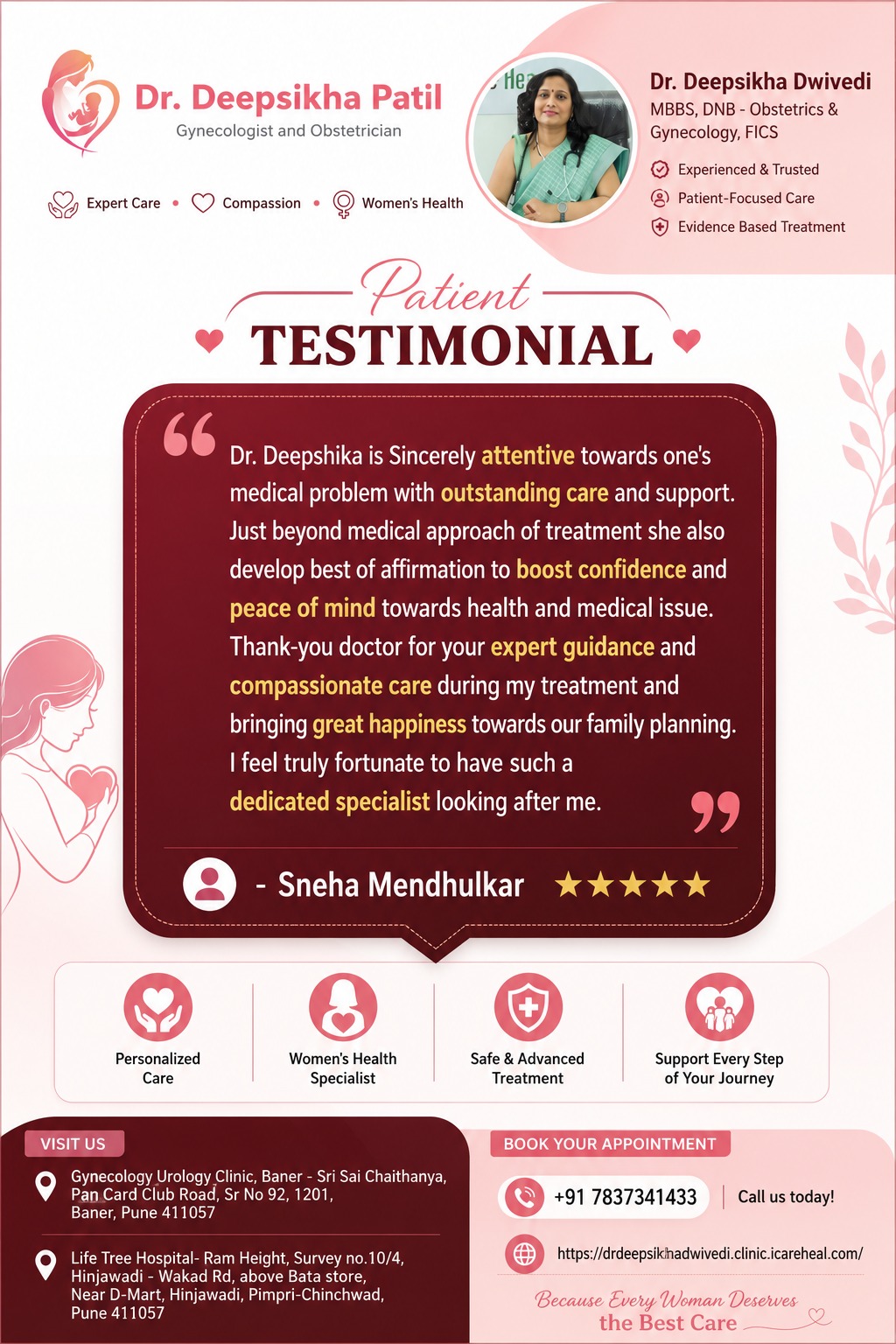
Every patient journey deserves compassion, trust, and expert care Grateful for ...See More
May 22, 2026

Boost your blood health naturally with iron-rich foods like beetroot, spinach, p...See More
Jun 06, 2026
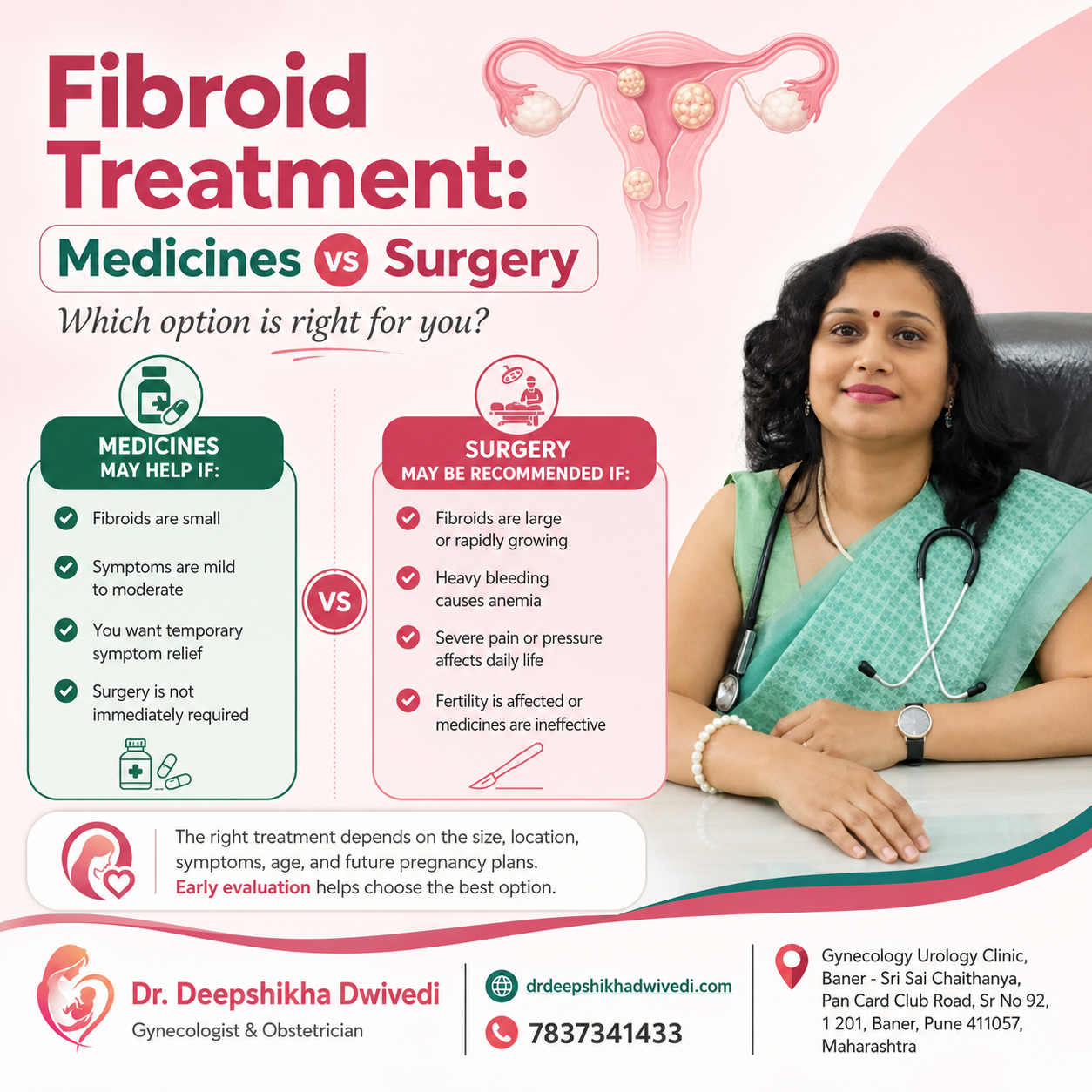
Fibroids don't always need surgery—but they should never be ignored. The right t...See More
Jun 26, 2026

Pregnancy is surrounded by many myths—but knowing the facts can help you make in...See More
Jul 03, 2026
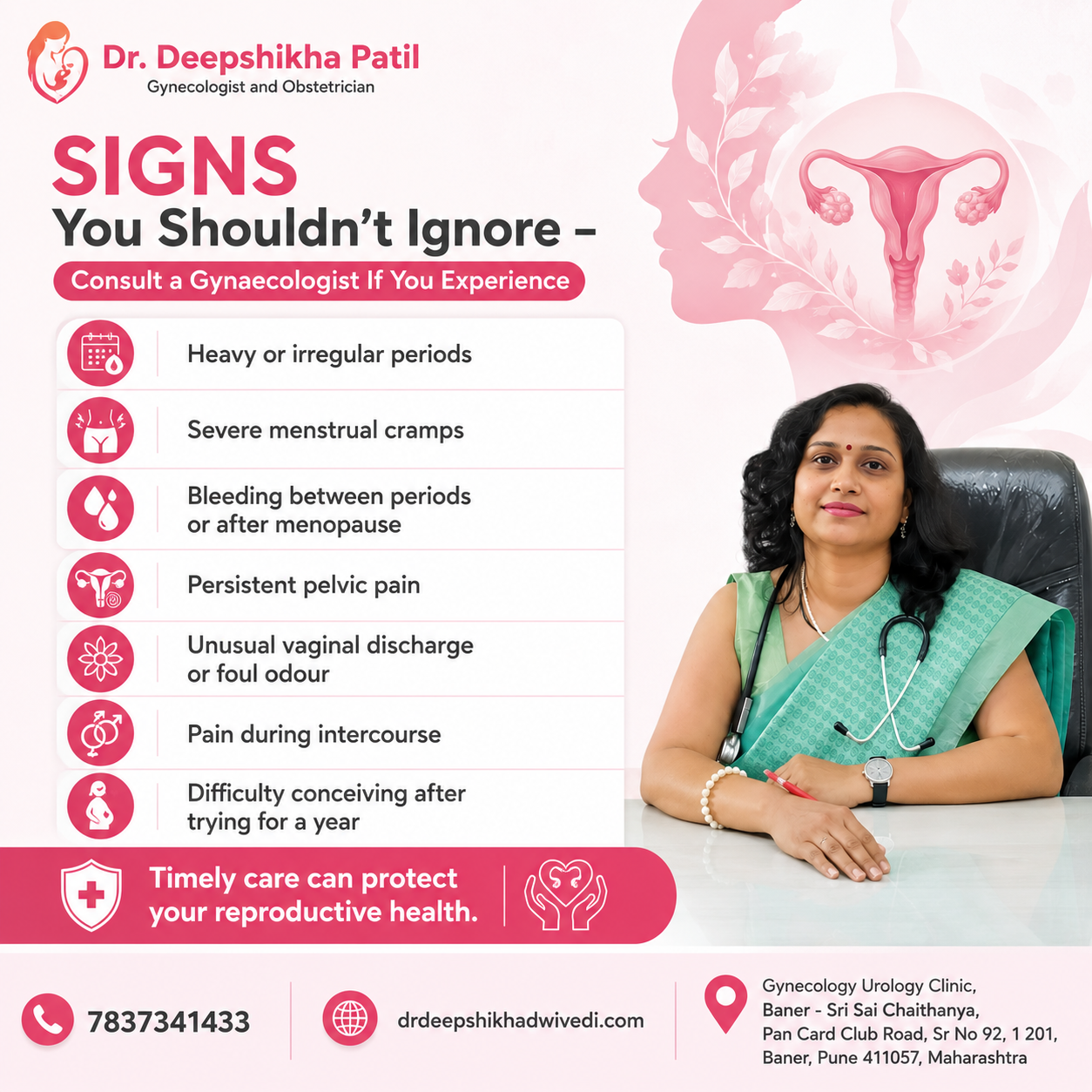
Some gynecological symptoms may seem minor but could be signs of an underlying c...See More
Jul 18, 2026
Laparoscopic Surgeon, Obstetrician
.png)
What our Patients says about us
Excellent hospital and staff. My wife's delivery was handled with utmost care and professionalism. We have been visiting Dr. Deepshikha Dwivedi since almost 9 months and the experience has been lovely. The care and dedication with which she and her entire staff handles the patient and situation is extraordinary and we had their support day and night due to which it was possible to have normal delivery. The facilities here are awesome. Thank you so much for making the delivery experience smooth, caring, and a very positive one. Highly recommended.
I would like to express my heartfelt gratitude to Dr. Deepshikha ma’am for the exceptional care she provided during my wife’s treatment. From the very first visit, ma’am listened patiently, guided us clearly, and explained everything openly, which gave us immense confidence. Her polite nature and caring attitude truly stand out. One of the best qualities I observed is that she always prefers and encourages normal delivery whenever possible, guiding us step by step on what needs to be done. This approach reflects her dedication and genuine concern for patients. Equally commendable is her staff, who are extremely supportive and cooperative. Visiting a doctor is not just about medical expertise, but also about the environment and the people who assist you—and her team ensures you feelcomfortable and well-guided throughout.Overall, I can say Dr. Deepshikha ma’am is polite, caring, and highly professional, and her staff complements her perfectly. For me, they truly deserve a five-star rating.
Dr Deepshika mam is very calm, positive and confident doctor.She immediately makes the patient calm and full of positive energy with her counselling and best treatment. I had great experience around my treatment and her attention to detail plus her expertise made me relaxed and go calm about treatment. She is of the best doctors in Pune, you can trust without having second thought. Thankyou doctor Deepshika and team for making my treatment hassle-free and with great care and attention.
It was an amazing experience while getting the treatment done for pregnancy of my wife. Dr Deepshikha madam treated so well like a family members and was always available for minor to minor suggestions. She is an experienced, knowledgeable and passionate doctor who takes care of each and every need of her patients. She is thorough and detailed in her process. She’s a calm and good listener. I’m very much satisfied with her advices. The services and behaviour of doctors, nurses and paramedical staff were excellent. I personally recommend to choose her as your pregnancy doctor.
I cannot thank Dr. Deepshikha Dwivedi enough for her incredible support. Navigating a high-risk pregnancy is never easy, but Dr. Deepshikha and her staff provided such a reassuring and positive environment throughout the entire journey. I felt completely informed, safe, and empowered. I had a wonderful delivery experience and knew my baby and I were in the best hands. Thank you, ma'am, for your dedication and for helping us welcome our little one safely!
She is experienced and well deserved surgeon. In our case the surgery was smooth and the hospital staff was very cooperative and supported in all aspects.
I would like to express my sincere gratitude to Dr. Deepshikha Ma’am for the outstanding care and support she provided during my wife’s treatment. From our very first consultation, she listened patiently to all our concerns, explained every detail clearly, and guided us with confidence and compassion. Her calm, polite, and reassuring nature made a very stressful situation much easier for us. What impressed us the most was her genuine concern for her patients. She carefully evaluates every case, explains all available treatment options, and recommends the best course of action based on the patient’s condition rather than rushing into unnecessary procedures. Her professionalism, honesty, and dedication are truly admirable. I would also like to appreciate her wonderful staff, who were extremely supportive, courteous, and cooperative throughout our visits. They ensured a smooth experience and were always ready to help whenever we had questions or needed assistance. Overall, our experience with Dr. Deepshikha Ma’am and her team was exceptional. Their professionalism, kindness, and patient-centered approach gave us complete confidence during a difficult time. I highly recommend her to anyone looking for a knowledgeable, caring, and trustworthy gynecologist. They truly deserve a 5-star rating.
I consulted Doctor Deepshikha for the periods problem and excessive bleeding.Doctor explained us the situation very well and treated very well.
Dr. Deepshikha Dwivedi is an exceptional gynecologist. She is kind, patient, and explains everything clearly. She handled my complex laparoscopic surgery with great expertise and gave me confidence throughout my treatment. I'm truly grateful for her care and highly recommend her to anyone seeking the best gynecological care. Thank you, doctor!
We are extremely thankful to Dr. Deepshikha for her excellent care and support throughout our pregnancy journey. She is not only highly knowledgeable but also very kind, humble, and approachable. Every time we had a concern, she listened patiently and explained everything in a simple and reassuring way. Her calm nature and positive attitude gave us a lot of confidence during every stage of the pregnancy. During the delivery, her experience and timely decisions ensured everything went smoothly, and both mother and baby were safe. Thank you, Dr. Deepshikha, for being such a wonderful doctor and for making this beautiful journey so comfortable for our family. We highly recommend her to anyone looking for a caring and experienced obstetrician.
Amazing doctor, really friendly
Very nice doctor, good advice Very hygienic clinic
Dr. Deepshika is an exceptional gynecologist and an experienced surgeon. She recently performed my laparoscopic surgery, and the entire process was handled with the utmost professionalism and care. The surgery went smoothly, and her post-operative care and guidance have been exceptional. She truly cares about her patients' well-being. My recovery has been very smooth thanks to her excellent care. Highly recommended!
Our Latest Videos

.png)

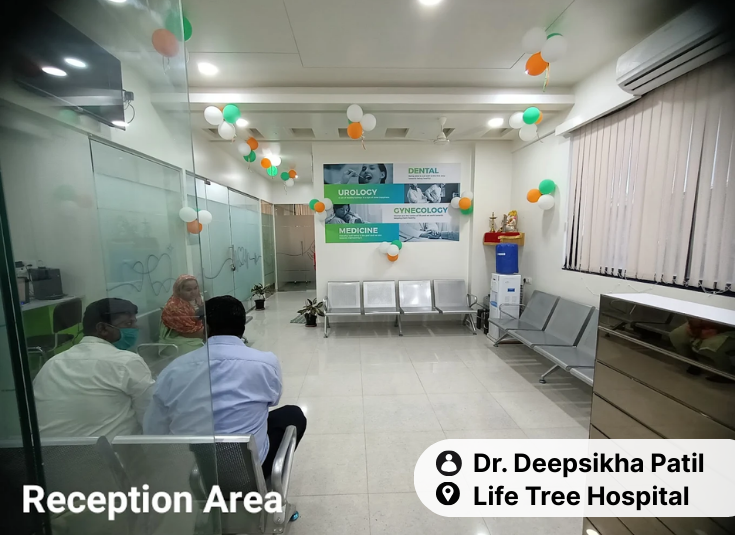
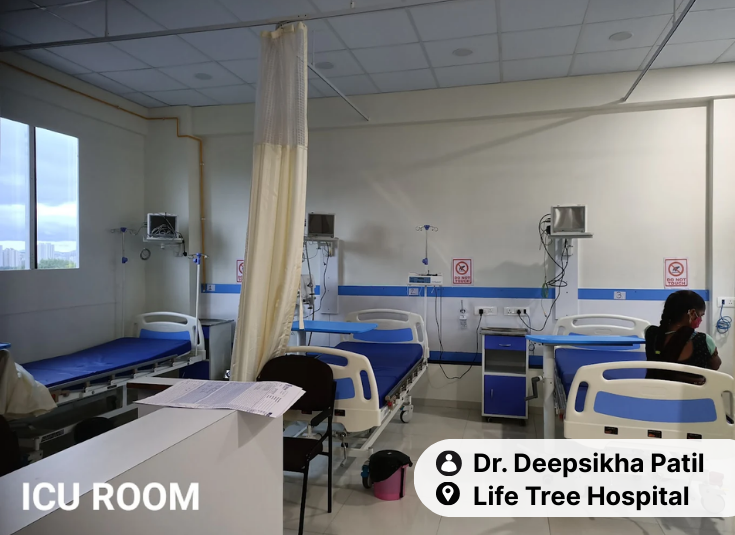
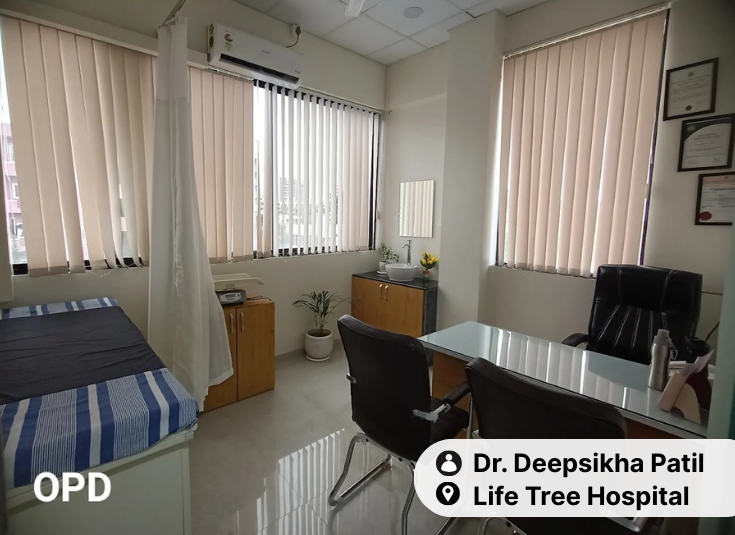
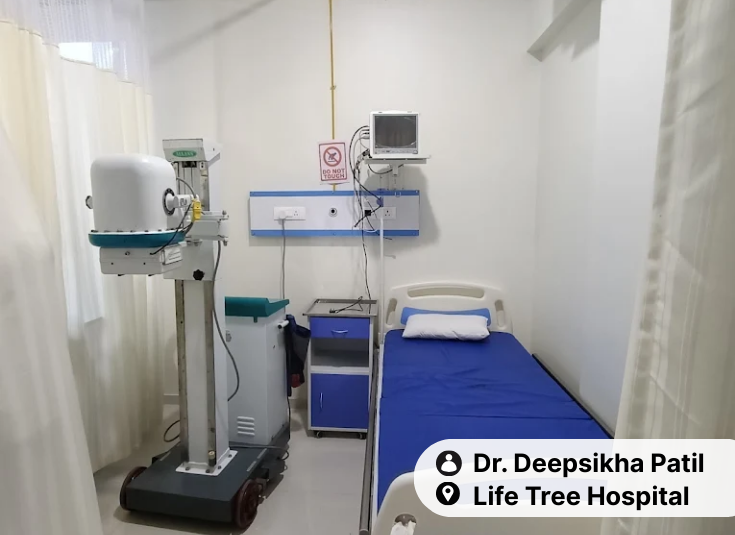





Need Answers? Find them here...
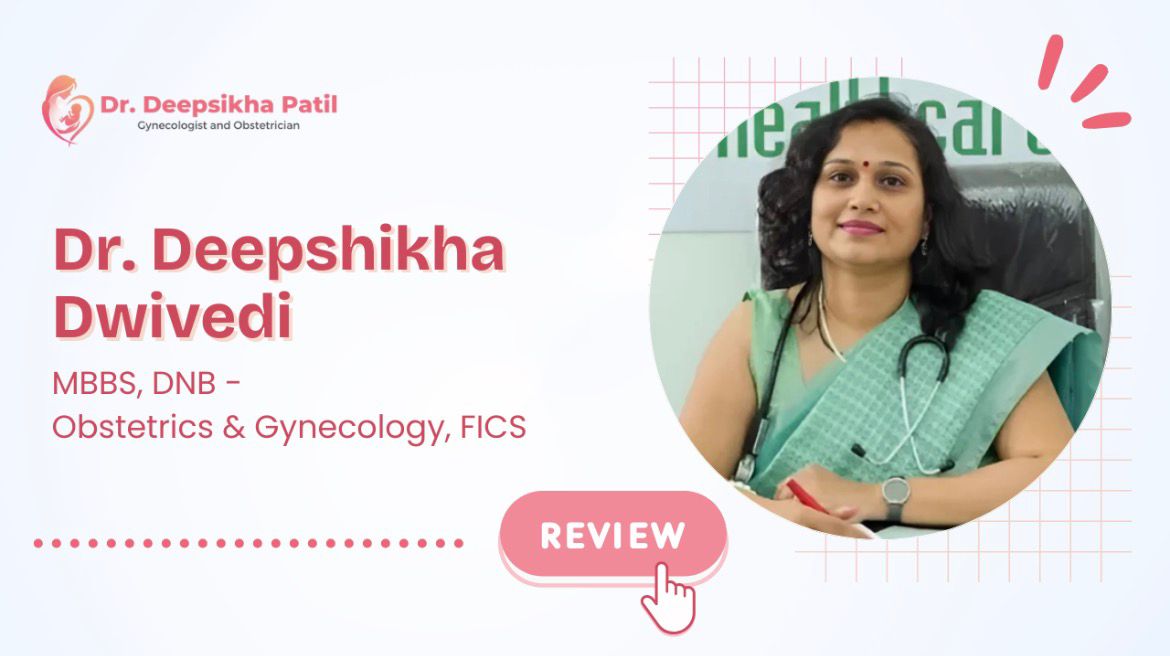
With a special interest in infertility treatment, Dr. Deepshikha Dwivedi collaborates with Dr. Sachin Patil to provide integrated care for couples facing reproductive challenges. Her expertise extends to fertility counseling and hormonal evaluation, ensuring that patients receive both emotional and medical support. For high-risk pregnancies, Dr. Dwivedi employs evidence-based care and empathetic communication, prioritizing both the mother's and baby's well-being. Her continuous patient engagement ensures that every patient feels respected and empowered throughout their journey.
Dr. Deepshikha Dwivedi is a dedicated Obstetrician and Gynecologist in Pune who adopts a holistic approach for managing PCOS and menstrual disorders. She emphasizes personalized solutions tailored to individual needs, combining her clinical expertise with compassionate care. For PCOS management, Dr. Dwivedi considers not only medical interventions but also lifestyle modifications. She ensures that her patients feel empowered and informed throughout their treatment, assisting them step by step to achieve better health outcomes.
Cervical cancer screening, including Pap smears and HPV testing, is crucial for early detection and prevention of cervical cancer. Regular screening can identify precancerous changes in the cervix, which can be treated to prevent cancer. The HPV vaccine protects against the virus responsible for most cervical cancer cases and is recommended for preteens and young adults. Gynecologists play a vital role in educating and promoting these preventative measures to ensure long-term health.
Menopause management is focused on alleviating symptoms like hot flashes, mood swings, and bone density loss associated with the cessation of menstruation. Gynecologists offer hormone replacement therapy and non-hormonal treatments tailored to individual needs. Lifestyle modifications and supplements may also be recommended. Understanding and addressing these changes can significantly enhance a woman's quality of life during this transitional phase.
Infertility treatments encompass a wide range of options, from medications that stimulate ovulation to more advanced procedures like IUI or IVF. Gynecologists conduct thorough hormonal evaluations to understand underlying causes and offer personalized treatment plans. Surgery may be indicated for structural issues within the reproductive tract. Fertility counseling is also an integral part of infertility treatment, providing emotional support and guidance through the process.
Hysteroscopic surgery is a minimally invasive procedure performed to diagnose and treat conditions affecting the uterus. It involves the insertion of a hysteroscope through the cervix to provide a visual inspection of the uterine cavity. It is commonly used for the removal of polyps, fibroids, and adhesions, as well as for endometrial ablations. This procedure allows for precise treatment with quicker recovery and minimal discomfort.
Fertility counseling offers support and guidance to individuals or couples considering conception or facing infertility. Gynecologists provide information on factors affecting fertility, recommend lifestyle modifications, and discuss potential treatments. It also involves emotional support and potentially recommending assisted reproductive technologies like IVF. This personalized approach helps patients make informed decisions about their reproductive health.
PCOS management focuses on regulating menstrual cycles, alleviating symptoms, and reducing the risk of complications like diabetes and infertility. Gynecologists provide a combination of lifestyle changes, such as diet and exercise, along with medications that regulate hormones and manage symptoms. Fertility counseling may be necessary for women with PCOS who wish to conceive, and in some cases, minimally invasive surgeries are recommended.
Menstrual disorders, such as heavy bleeding, painful periods, or irregular cycles, can significantly impact a woman's quality of life. Gynecologists use a range of treatments, including hormonal contraception, NSAIDs for pain management, and minimally invasive procedures like hysteroscopic surgery to address these issues. Laparoscopic surgery may also be used to treat underlying conditions like fibroids or endometriosis that contribute to menstrual irregularities.
High-risk pregnancy care involves specialized monitoring and intervention strategies tailored to women with greater chances of complications, due to factors like advanced maternal age, chronic health conditions, or multiple pregnancies. Gynecologists offer personalized care plans that include more frequent visits, advanced testing, and sometimes the involvement of specialists to ensure the best outcomes for both the mother and the child.
Antenatal care is a comprehensive package of monitoring and support provided to pregnant women to ensure the health and well-being of both mother and baby. It includes regular check-ups, blood tests, ultrasounds, and nutritional guidance. Gynecologists also provide advice on birth plans and educate women on managing pregnancy symptoms. Adequate antenatal care helps in the early detection and management of potential complications.
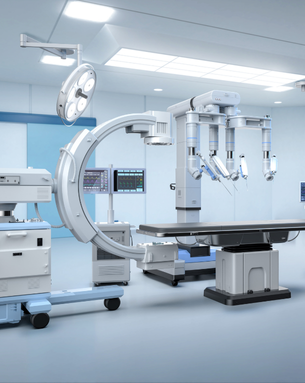
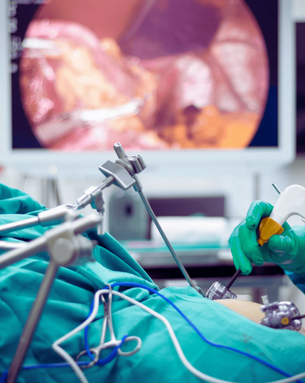
Gyne Laparoscopic and Robotic Surgeries are minimally invasive surgical techniques used in gynecology, offering patients smaller incisions, reduced pain, and faster recovery times. Laparoscopic surgery involves the use of a camera and instruments inserted through small abdominal incisions, while robotic surgery utilizes robotic arms controlled by the surgeon for precise movements. These techniques are often used for hysterectomies, myomectomies, and endometriosis treatment.
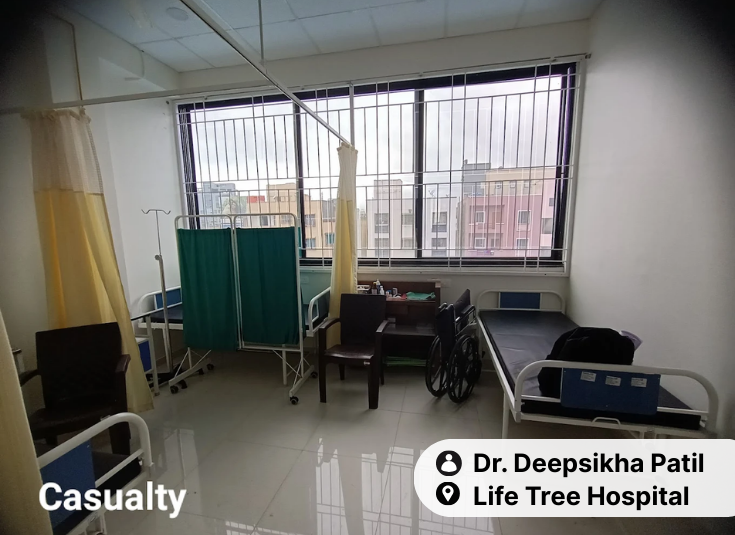
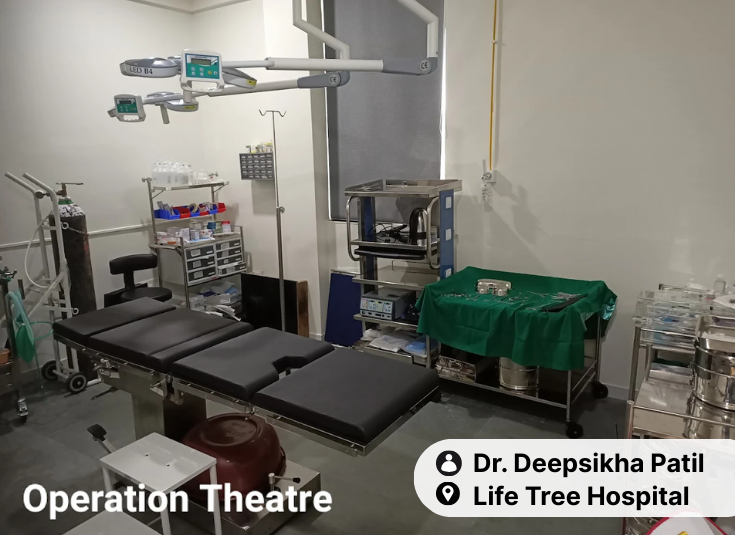
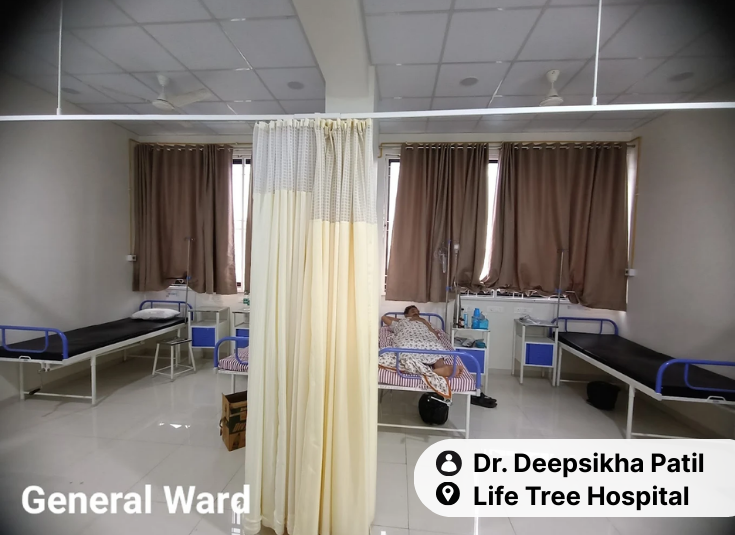
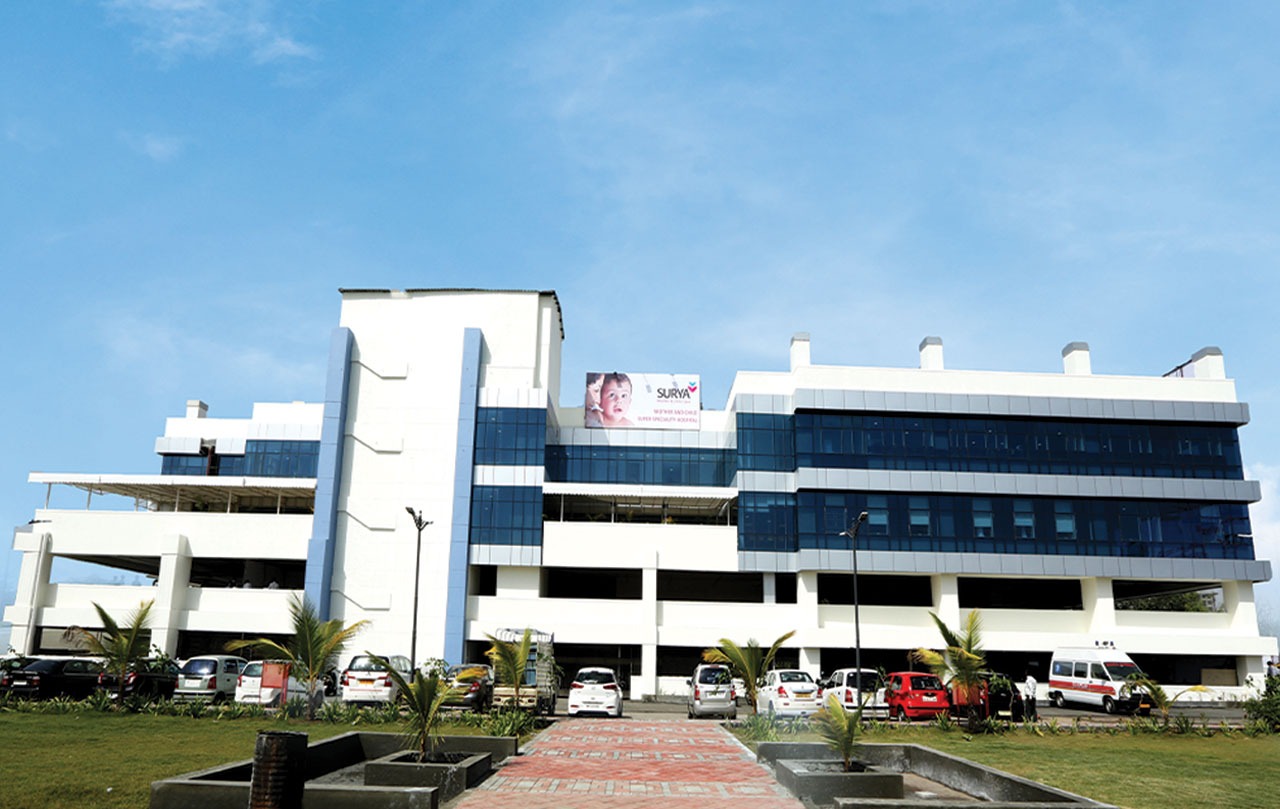
 Address :Gynecology Urology Clinic, Baner - Sri Sai Chaithanya, Pan Card Club Road, Sr No 92, 1 201, Baner, Pune 411057, Maharashtra Address :Life Tree Hospital- Ram Height, Survey no.10/4, Hinjawadi - Wakad Rd, above Bata store, Near D-Mart, Hinjawadi, Pimpri-Chinchwad, Maharashtra 411057, Baner 411057, Maharashtra